Our Place
A border village in the northeastern Evros region — shaped by refugee memory, by farmland reclaimed from the river, and by a living tradition of costume, dance and hospitality.
From old Vyssa to Nea Vyssa
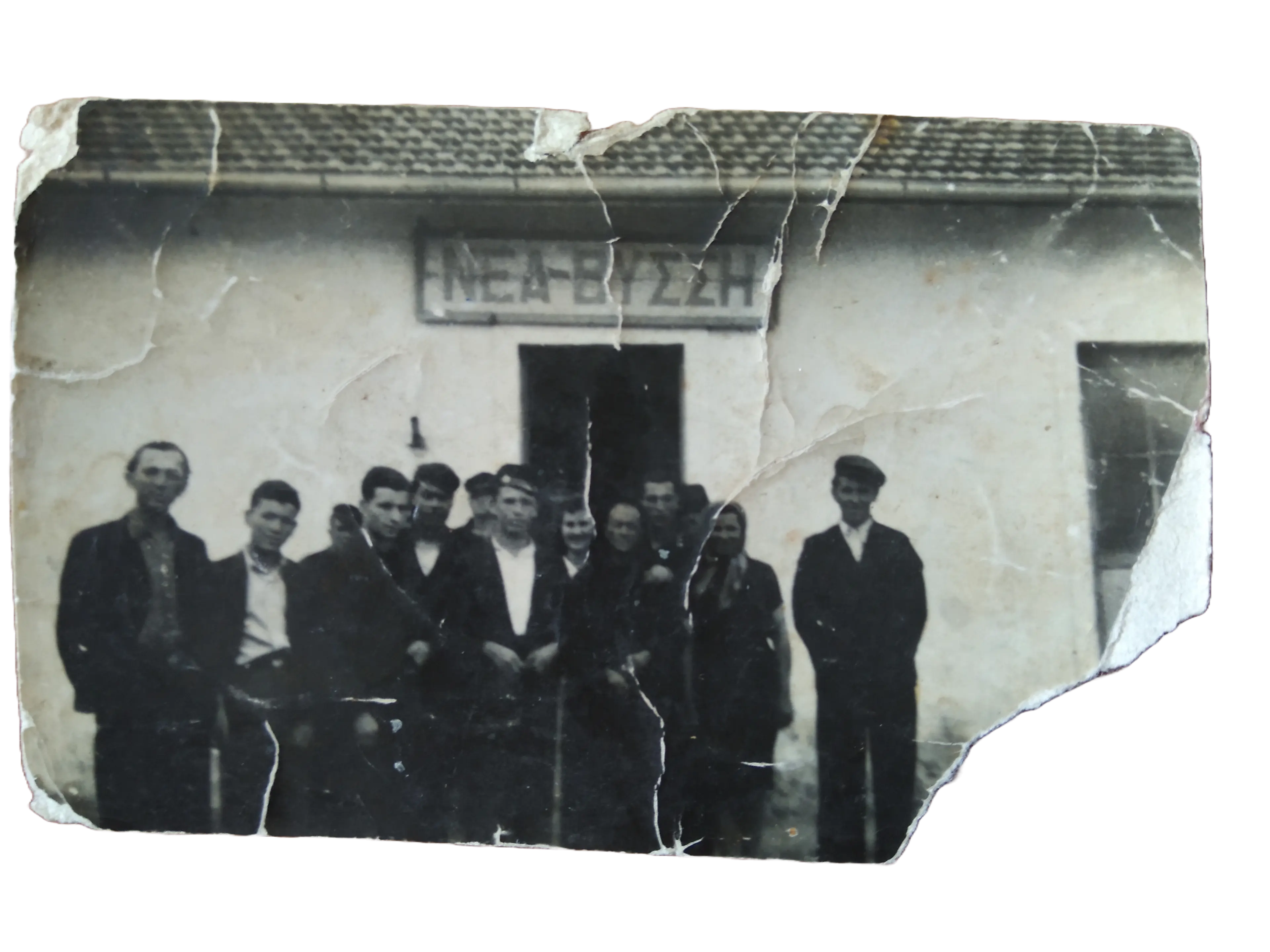
Nea Vyssa lies in the northeastern part of the Evros regional unit, close to the border with Turkey. Both its people and its name most likely descend from the warlike Bessi tribe; in older spoken use the village was known as Bosna.
In 1923 around a thousand refugees from Vosnochori — old Vyssa, near Adrianople (Edirne) — settled on the present site, 4 km south of the old village. Most were tradespeople unfamiliar with farming, living with the dream of returning to their land, which they could still glimpse across the Evros river.
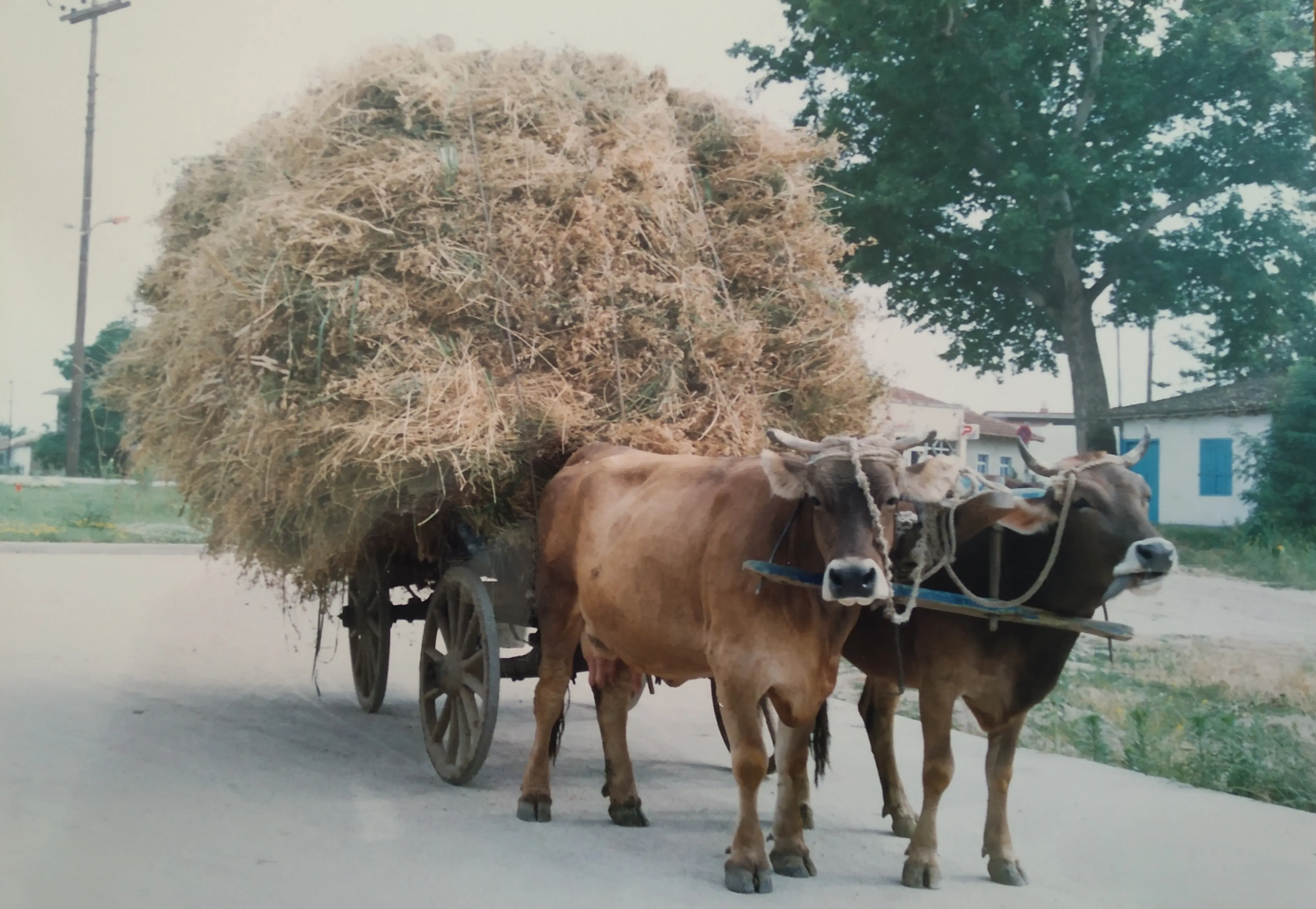
In 1958, after protective embankments were built along the riverbanks, the cultivation of potatoes, garlic, asparagus and wheat became productive. The village grew quickly, became economically dominant in the area and forged close ties with Orestiada and the neighbouring villages.
Architecture, costume & dance
The way the houses are built strongly reflects the urban tradition of Adrianople. The women's costume is considered unique across Thrace — and indeed all of Greece — for its richness and beauty: five silk skirts worn one over another, a headdress bound with flowers and pins, and a silk bodice adorned with gold coins.
The dance repertoire of Nea Vyssa consists of ten dances. Marked by a gentle, calm rhythm and sweet melodies, they stand apart from the other dances of Thrace, while their songs depict the origins and traditions of the Vyssiotes.
Nea Vyssa today
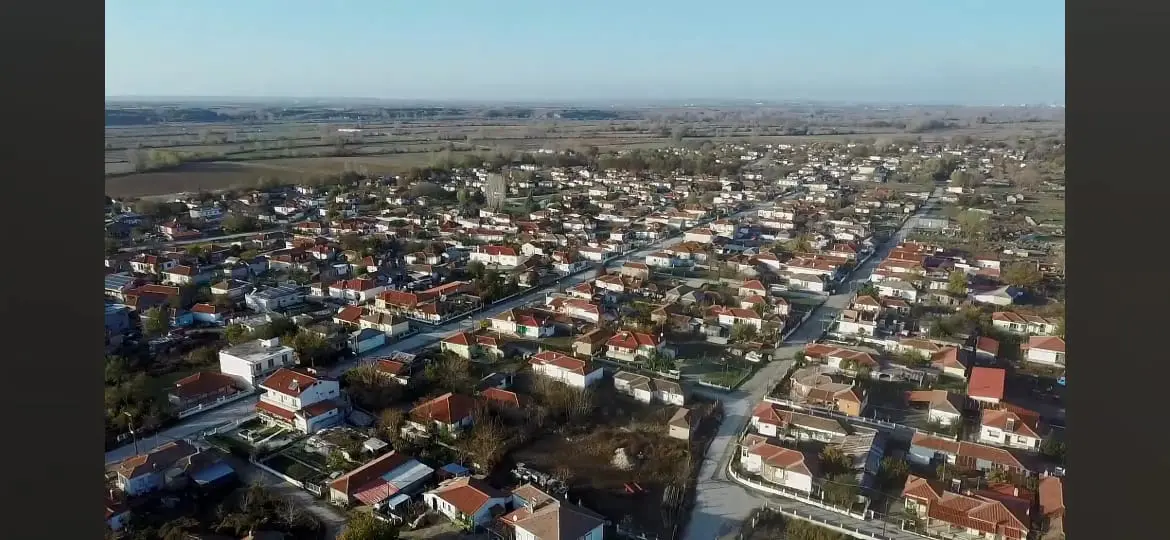
Today Nea Vyssa is one of the largest villages in Evros. Beyond its rich history it is known for the warm hospitality of its people and, of course, for its renowned garlic — making it an authentic destination in Thrace.
We invite you to get to know it, on a walk through the places that give the village its character.
A tour of Nea Vyssa
Follow the route from the village entrance up to the main square — past its museum, its churches, the viewpoint and its gathering spots.
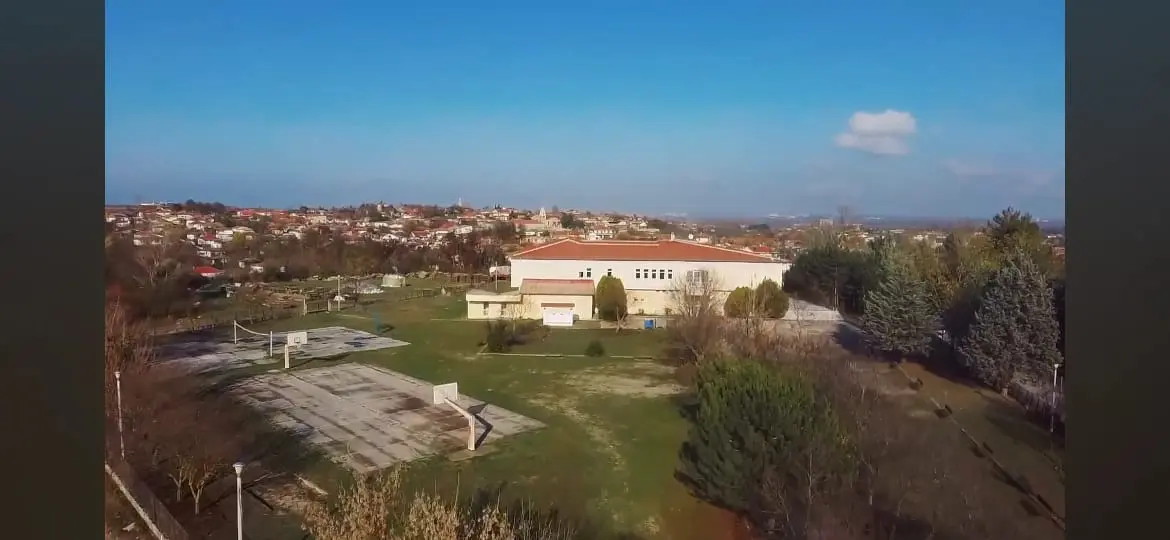 01 · Entrance & schools
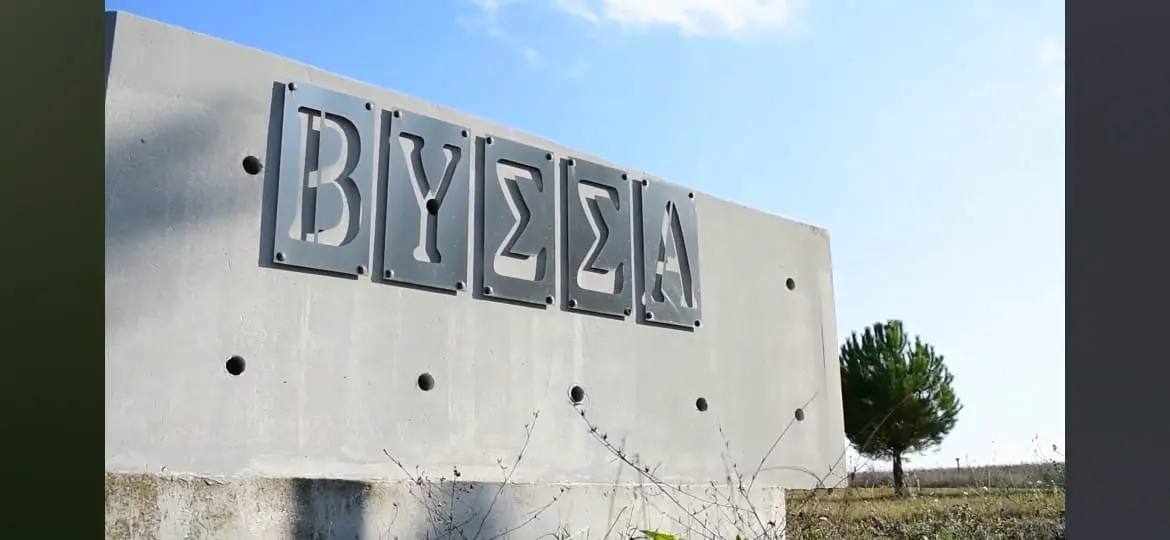
Entering from the main gateway you first meet the village's industrial area and, on the left, the Nea Vyssa Gymnasium and Lyceum — an important educational hub for the region.
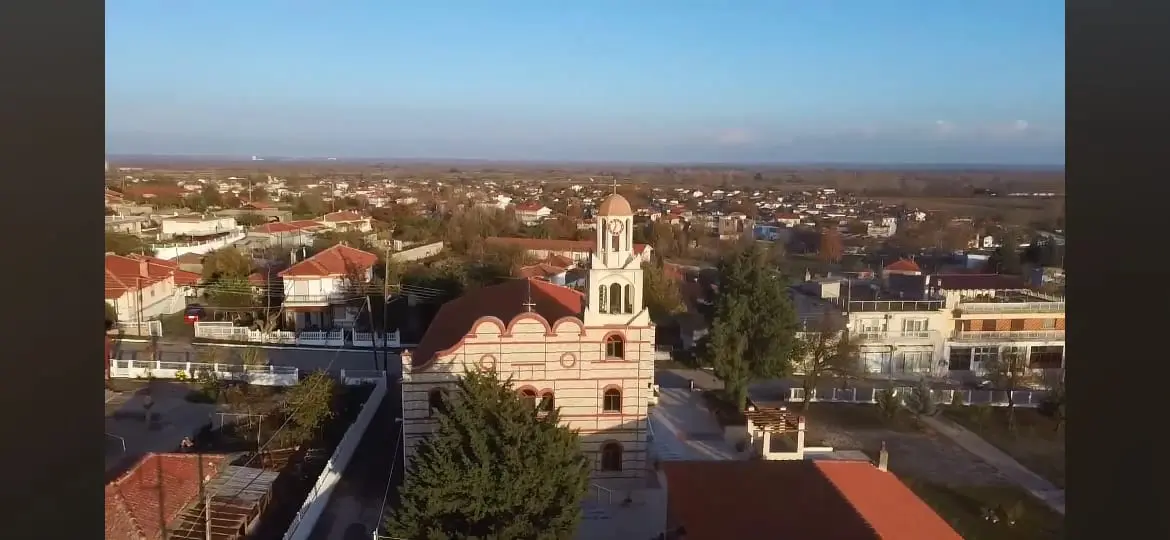
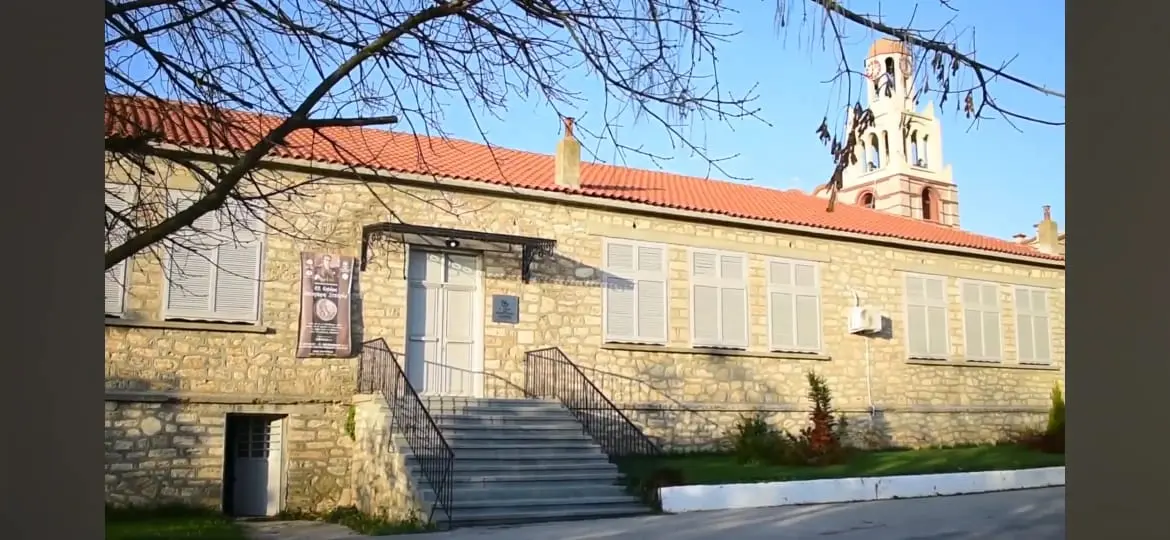 02 · The upper village
At the railway lines you turn left for the upper village. The first stop is the Karatheodoris Museum, dedicated to the celebrated mathematician Constantin Carathéodory and his whole lineage, with the church of Saints Constantine and Helen right beside it.
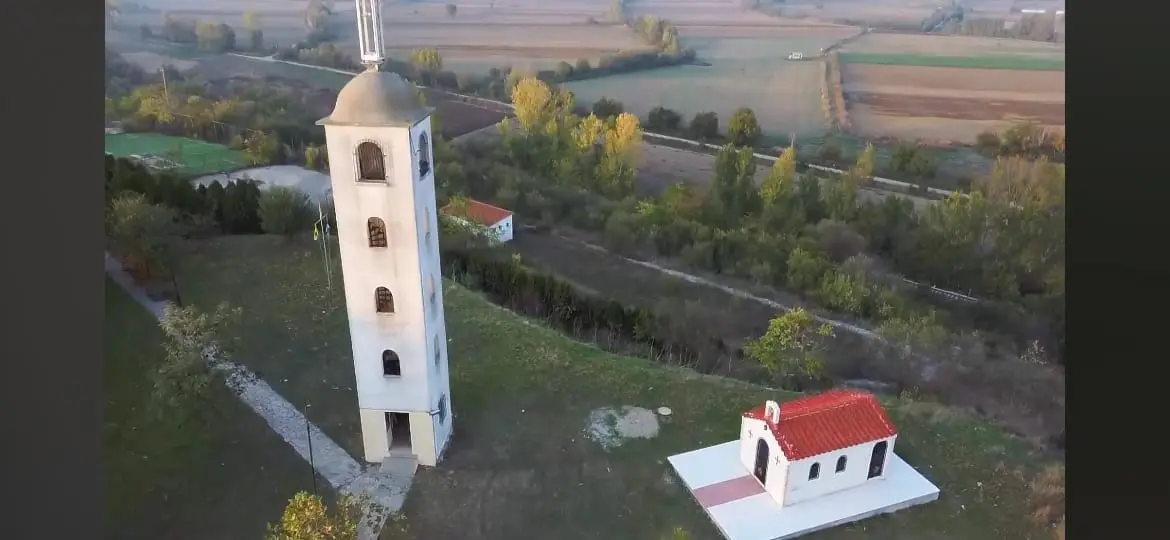 03 · Viewpoint & vista
A little further on, the Nea Vyssa viewpoint and the chapel of Saint John the Baptist offer a stunning view towards Turkey — a perfect spot for a coffee at the refreshment kiosk.
 04 · The lower village
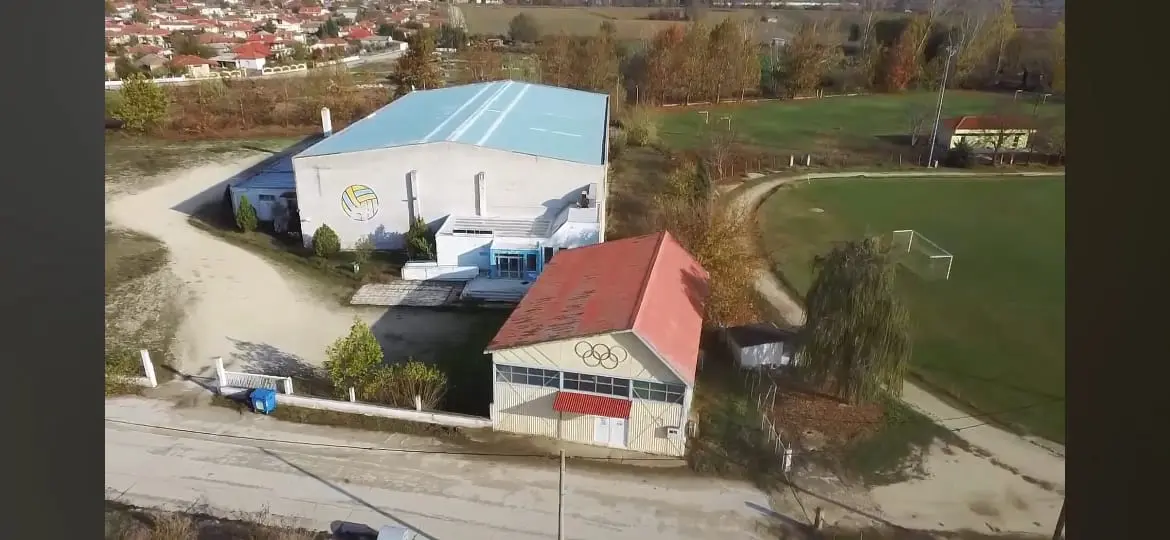
Heading down and crossing the railway lines again, on the right lie the football pitch and the indoor stadium, where residents train and local teams hold their matches.
 05 · The main square
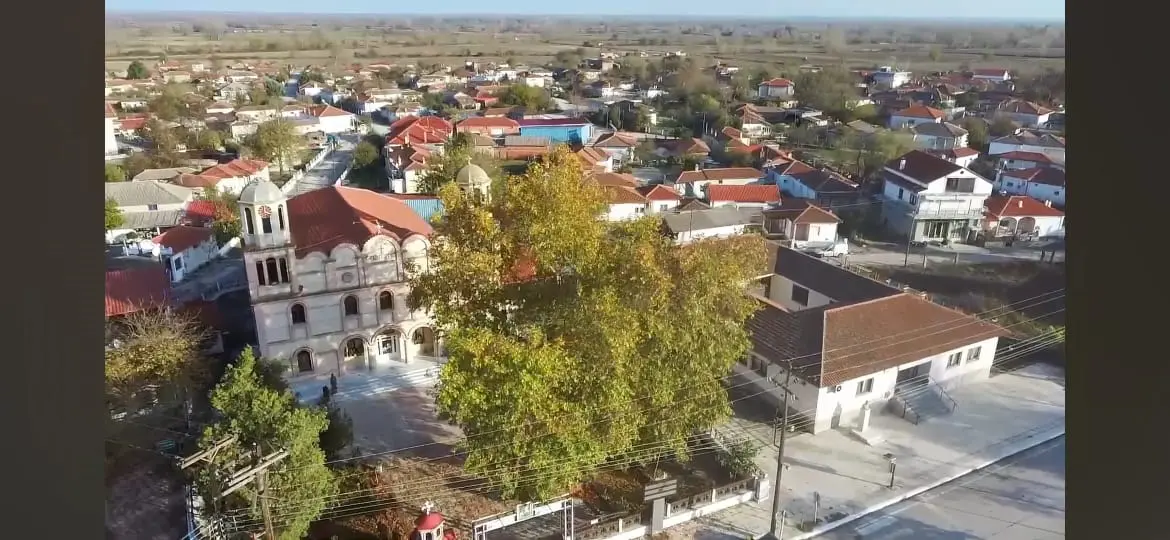
The road ends at the platia, dominated by the church of Saint George. Beside it the cultural centre houses our association, while the square's tavernas serve traditional Thracian dishes.
Holy Monastery of Agia Skepi & Agia Paraskevi
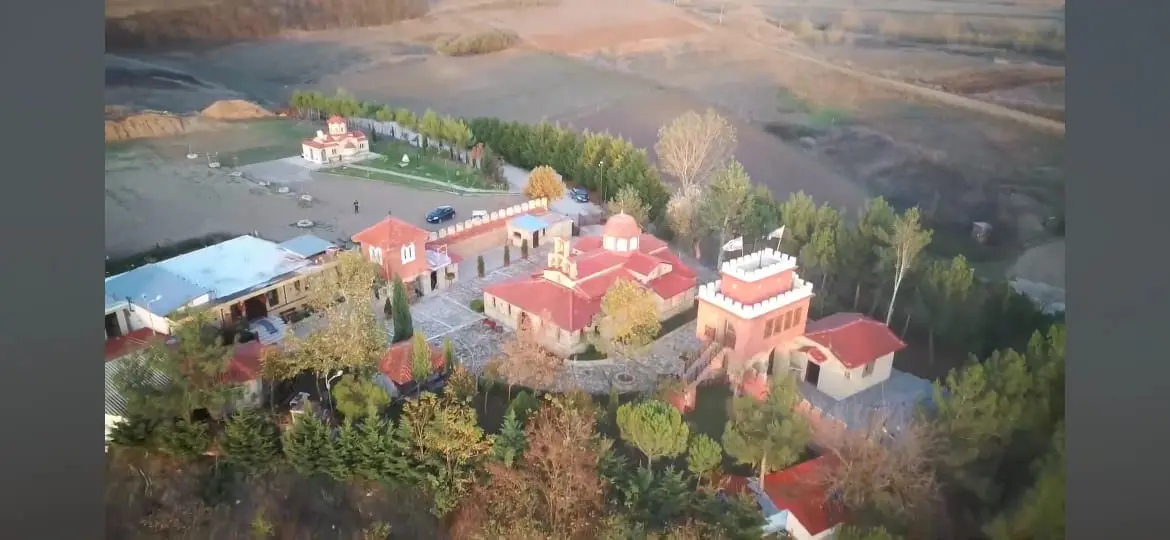
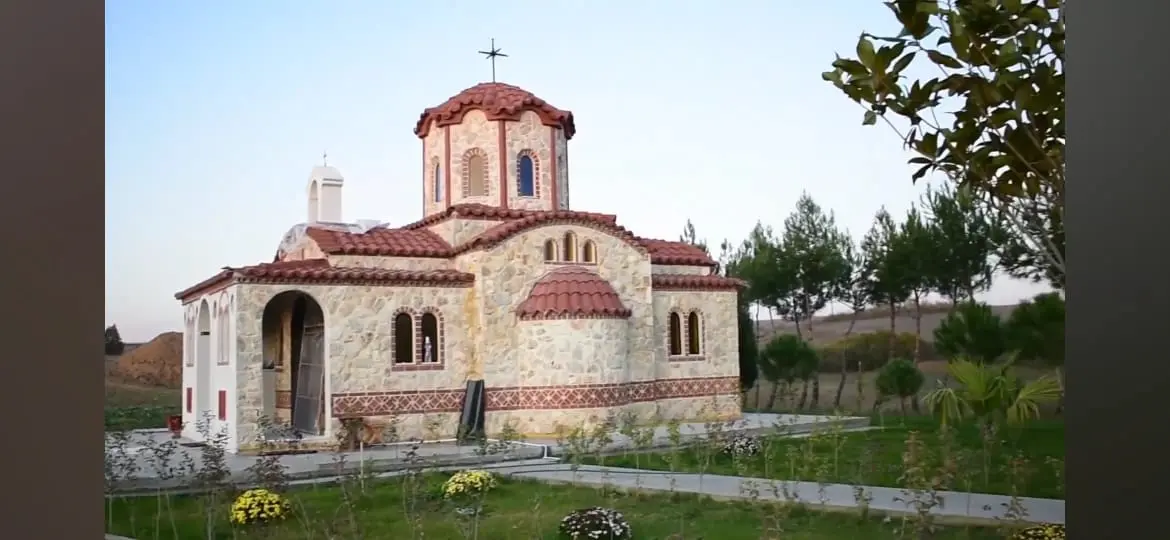
One of Nea Vyssa's most distinctive sights is the newly founded Holy Monastery of Agia Skepi and Agia Paraskevi, at the site of 'Agia Paraskevi', a short distance from the village. A chapel was first built here in 1931 and, much later in 2005, a larger new church was raised. In 2010, with the blessing of Damaskinos, Metropolitan of Didymoteicho, Orestiada and Soufli, five hieromonks formed a monastic brotherhood devoted to missionary work.
In 2019 a chapel was built in the courtyard in honour of Saints Paisios of Mount Athos, Porphyrios of Kafsokalyvia and Iakovos of Evia, consecrated on 12 July 2020; that September a 15-metre metal cross was raised nearby. Surrounded by verdant landscape, the monastery welcomes many pilgrims each year — especially at the feast of Agia Paraskevi on 26 July — preserving elements of traditional Byzantine architecture.
History, tradition and natural beauty
Nea Vyssa is a place that combines history, tradition and natural beauty. If you are looking for a destination away from mass tourism — where you can enjoy authentic Greek hospitality, explore nature and taste unique local flavours — then Nea Vyssa is waiting for you.
Photography and aerial footage kindly provided by Georgios Patsinaridis, from his video 'Nea Vyssa [Cinematic Scenes]'.